
If you are asking what do estate agent fees cover, you are probably trying to avoid two things at once – overpaying and being left to do half the job yourself. That is a sensible question. Fees only make sense when you can see exactly what service, support and accountability sit behind them.
The short answer is this: estate agent fees usually cover valuing your property, marketing it, handling enquiries, arranging viewings, negotiating offers and progressing the sale. But that is only the basic shape of it. What is included, how well it is done, and whether anything is treated as an extra can vary quite a bit from one agent to another.
What do estate agent fees cover in a typical sale?
For most residential sales, the fee is payment for the agent managing the route from market appraisal to agreed sale, and in better cases, right through to completion support. A proper sales service starts before your home even appears online.
That usually begins with a valuation and pricing advice based on local market conditions, recent comparable sales and buyer demand in your area. This matters more than many sellers realise. Overprice and your home can sit still. Underprice and you risk leaving money on the table. Part of the fee should be for experienced judgement, not just turning up with a figure.
Next comes preparing the property for market. That often includes photography, writing the property details, measuring rooms, gathering key information and advising on presentation. Some agents include floorplans as standard. Others charge extra. If premium marketing is important to you, ask whether the quoted fee covers professional images and enhanced listing materials, or only the bare minimum.
Then there is portal exposure. For many sellers, this is one of the biggest practical parts of the service. Your agent should be getting your property in front of active buyers through major portals and their own buyer database. That exposure is part of what you are paying for, but visibility alone is not the whole job.
Marketing is included – but quality matters
A listing on a portal is not the same as a marketing strategy. One of the biggest misunderstandings around estate agent fees is that sellers assume every agent offers the same level of effort because every property ends up online somewhere.
In reality, the difference is often in the execution. A good agent does not just upload the advert and wait. They make sure the photos are strong, the wording is clear, the asking price is sensible, and the property reaches the right audience quickly. They also respond promptly when buyers enquire and keep momentum going in the early days of the listing, when interest is often at its highest.
That is why a lower fee is not automatically better value. If the marketing is weak, the communication is patchy and the follow-up is poor, a cheaper fee can cost more overall through delays, price reductions or missed buyers.
Viewings, buyer handling and negotiation
This is where a lot of the real work sits, and where agents can earn their fee.
Once your property is live, someone has to field calls, answer questions, qualify buyers, arrange appointments and give feedback after viewings. If the agent offers accompanied viewings, that can take pressure off you and help present the property more consistently. It can also mean fewer no-shows and more useful conversations with potential buyers.
Negotiation is another core part of what estate agent fees cover. That does not just mean passing on an offer. It means testing the buyer’s position, understanding whether they have a property to sell, checking their mortgage status, and trying to secure the strongest deal rather than the fastest yes. Price matters, but so do chain position, timescales and reliability.
A strong negotiator can protect thousands of pounds in value. That is one reason fee comparisons should never be made on percentage alone.
Sales progression is often the hidden value
Many sellers focus on getting an offer agreed, but the difficult part often comes afterwards. Chains wobble. Surveys raise issues. Solicitors need chasing. Buyers get nervous. Communication gaps start causing delay.
This is where the better agents stand out. Sales progression is often included within the fee, although the level of involvement can vary. Some agents stay close to the transaction, keep in touch with both sides, chase updates, help resolve sticking points and work to keep the sale moving. Others step back once the memorandum of sale is sent.
If you want less stress, ask direct questions about what happens after an offer is accepted. A no-sale-no-fee model can be reassuring, but it still matters how proactive the agent will be once the deal starts to get complicated.
What may not be included in estate agent fees?
This is where sellers need to read carefully.
Not every agent includes professional photography, floorplans, hosted viewings or premium portal listings in their standard fee. Energy Performance Certificates may be charged separately if you do not already have a valid one. Some agents also charge withdrawal fees, upfront marketing fees or add-on costs for premium advertising.
That does not always make those fees unreasonable. It just means you need clarity. A fee that looks low at first glance may rise once extras are added. On the other hand, a slightly higher all-inclusive fee may be better value if it covers stronger marketing, better communication and more hands-on support.
The key is not simply asking, “What is your fee?” but “What exactly does your fee include, and what would I pay extra for?”
What do estate agent fees cover for lettings?
If you are a landlord, the answer is slightly different because there are often different service levels. A tenant-find service usually covers marketing the property, handling enquiries, conducting viewings, referencing applicants, agreeing terms and preparing the tenancy for move-in.
A fully managed service goes further. That can include rent collection, deposit handling, maintenance coordination, inspections, tenancy renewals, compliance support and being the point of contact for the tenant during the tenancy. In that case, the ongoing management fee is paying for administration, legal awareness, communication and problem-solving over time, not just the initial let.
For Worcestershire landlords comparing managed services, the real question is how much involvement you want day to day. A lower monthly fee may suit a hands-on landlord. A fuller management service may be worth paying for if you want fewer interruptions, better record-keeping and one accountable person dealing with issues as they arise.
How to tell if an agent’s fee is worth it
The best way to judge value is to look at outcomes and service depth, not just the percentage.
Start with visibility. Will your home be presented professionally and exposed to the right buyers? Then look at handling. Will enquiries be answered quickly, viewings managed properly and feedback given consistently? After that, focus on negotiation and progression. Will the agent actively protect your position when offers come in and keep the sale moving once solicitors are involved?
You should also think about communication. This is often the deciding factor between a smooth sale and a draining one. Plenty of sellers are happy to pay a fair fee if they know who is dealing with their property and can get straight answers when they need them.
That is why the personal-agent model appeals to many homeowners. If one person is accountable from valuation through to sale agreed and beyond, there is usually less confusion and less chasing around.
Cheap fees, high fees and the middle ground
There is no single right fee because the right answer depends on what you need and how the agent works.
A very cheap fee can be good value if the service is still strong, the marketing is professional and the follow-through is reliable. But sometimes low-cost models rely on volume, which can mean less attention once the listing is live. At the other end, a high fee is only justified if the service genuinely improves your result or reduces your workload in a meaningful way.
For many sellers, the sweet spot is transparent pricing with no pressure, no hidden extras and a clear explanation of what happens at every stage. That is usually a better sign than sales patter about being the best.
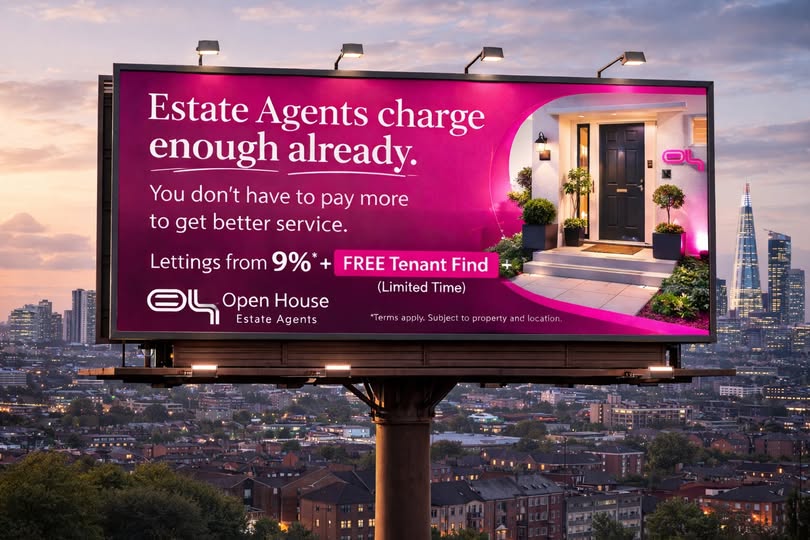
Open House Worcestershire, for example, keeps its sales fee clear at 0.9% inc. VAT and focuses on personal service rather than passing clients into a call-centre setup. That kind of clarity makes fee comparisons easier because you can judge the service on what is actually being delivered.
The questions worth asking before you sign
Before instructing any agent, ask who will handle the viewings, whether sales progression is included, what marketing materials are standard, whether there are any upfront or withdrawal charges, and what happens if the property does not sell quickly. Ask how often you will hear from them and who you will speak to when something needs sorting.
A good agent should answer those questions plainly. If the explanation feels vague, the service may be too.
Estate agent fees are not just payment for advertising. They are payment for judgement, presentation, negotiation, communication and persistence. When those things are done properly, the fee can more than justify itself. When they are not, even a low fee can feel expensive.
If you are comparing agents, look past the percentage and focus on the work behind it. The right fee is the one that gives you the best chance of a stronger outcome with less stress.