
One of the biggest reasons a sale becomes hard work is that problems start long before the For Sale board goes up. A stress free house sale is rarely about luck. It usually comes down to getting the price right, preparing properly, and having one accountable person keeping the whole process moving.
Most sellers do not want drama. They want clear advice, regular updates, sensible negotiation and a result that holds together from offer to completion. That sounds simple, but too many sales become stressful because the basics were not handled properly at the start.
What a stress free house sale really looks like
A smooth sale does not mean nothing unexpected happens. Buyers change their minds, surveys raise questions, and chains wobble. The difference is how those issues are handled.
In practical terms, a stress free house sale means you know what is happening, what comes next and where the risks are. You are not chasing unanswered calls. You are not wondering whether the asking price was realistic. You are not left to negotiate serious offers on your own.
That is why the right support matters. Selling a home is not just marketing. It is pricing, presentation, buyer management, negotiation and steady progression once an offer is agreed.
Start with the right asking price
Overpricing is one of the quickest ways to make a sale more stressful. It often feels safer to start high and see what happens, but in many cases it creates the opposite effect. The property sits on the market, interest slows, and price reductions follow. Buyers then start asking what is wrong with it.
A realistic asking price brings better quality enquiries and a stronger chance of competitive interest early on. That first burst of attention matters. It is when your property is freshest to the market and when serious buyers are most likely to engage.
There is a balance to strike. Price too high and you lose momentum. Price too low and you may undersell. Good advice should be straight-talking, based on local evidence and focused on what buyers are actually paying in your area – not just on what sellers hope to achieve.
Presentation matters more than sellers sometimes expect
Most buyers decide how they feel about a property before they have read every detail. The photographs, the order of the rooms, the condition of the home and the overall impression all shape how quickly they move from browsing to booking a viewing.
That does not mean your home needs expensive renovation. In many cases, a better result comes from sensible preparation. Decluttering, improving light, dealing with obvious maintenance issues and making each room feel clear in purpose can all help. If the home feels easy to understand, buyers can picture themselves living there.
Good marketing also matters. Professional photography, strong listing copy and broad exposure on the main portals can make a real difference to enquiry levels. A weaker launch often leads to fewer viewings, which puts more pressure on pricing and negotiation later.
Choose an agent who stays involved
A lot of stress in property sales comes from poor communication. Sellers are often less frustrated by bad news than by silence. If a buyer has a concern, if a survey flags an issue or if solicitors are waiting on paperwork, you need to know quickly.
That is why the personal-agent model works well for many sellers. Having direct access to one person who knows your property, your buyer and your goals removes a lot of unnecessary friction. It is far easier than being passed around a team or routed through a call centre.
This is especially important once a sale is agreed. At that stage, many sellers assume the hard part is over. In reality, this is where plenty of transactions start to wobble. Chasing solicitors, keeping buyers committed, managing survey findings and dealing with chain delays all require consistent follow-up.
Don’t confuse activity with progress
Some sellers are reassured by lots of viewings. Sometimes that is fair enough. More often, the better question is whether those viewings are coming from the right buyers.
A dozen poorly qualified viewings can create plenty of inconvenience without getting you closer to a sale. Serious buyer screening matters. Are they in a position to proceed? Have they sold? Are they financially ready? Do they actually want this type of property in this area at this price point?
A stress free house sale is usually helped by fewer, better viewings rather than constant disruption from people who are only loosely interested. The same goes for offers. The highest number is not always the best offer if the buyer is weak, unclear or relying on a shaky chain.
Be ready for the legal side early
One of the easiest ways to reduce stress is to prepare your paperwork before you agree a sale. Sellers often wait until an offer is accepted, then scramble to gather certificates, guarantees, planning documents and property information forms.
That delay can slow everything down. Worse still, missing paperwork can make buyers nervous. If you have had building work carried out, replaced windows, installed a boiler or altered the property in any significant way, get the documents together early.
It is also worth choosing a solicitor or conveyancer who is responsive. Cheapest is not always best. If your legal representative is hard to reach or slow to act, the whole transaction can drag. A smoother sale often comes from having reliable professionals on both sides, not simply from saving a small amount at instruction stage.
Expect the survey – and plan your response
Surveys worry sellers because they can introduce uncertainty. In truth, most surveys raise something. The key question is whether the issue is serious, expected for the age of the property, or being exaggerated by an anxious buyer.
If the survey identifies genuine problems, deal with them pragmatically. That might mean obtaining quotes, adjusting the price slightly or explaining the issue clearly. If the concerns are minor or typical, your agent should help keep the discussion in proportion.
This is another area where calm communication matters. A buyer who feels ignored or brushed off is more likely to pull back. A buyer who gets a clear response quickly is more likely to stay with the transaction.
Chains are stressful, but they can be managed
If your sale is part of a chain, some uncertainty is unavoidable. One delay can affect everyone. That said, chain sales do not have to be chaotic.
The main thing is visibility. You need to know who is waiting for what, where the weak points are, and how timings line up. That allows realistic planning rather than crossed fingers. If a chain member is dragging their feet, it is better to know early than to be surprised weeks later.
Sometimes the least stressful choice is not the most ambitious one. A slightly lower offer from a proceedable buyer may be safer than a higher offer from someone who still has not listed their own home. It depends on your priorities. If speed, certainty and reduced hassle matter most, buyer position can be just as important as price.
Why fees should be clear from the start
Hidden costs create frustration. So does paying for a service that feels half done. Sellers want to know what they are getting, what they are paying and when they are paying it.
Transparent fees help remove one layer of uncertainty. So does a no-sale-no-fee approach, because it shows the agent is invested in getting the job done properly. The details still matter, of course. Sellers should understand exactly what is included in the service, from marketing and accompanied viewings through to negotiation and sales progression.
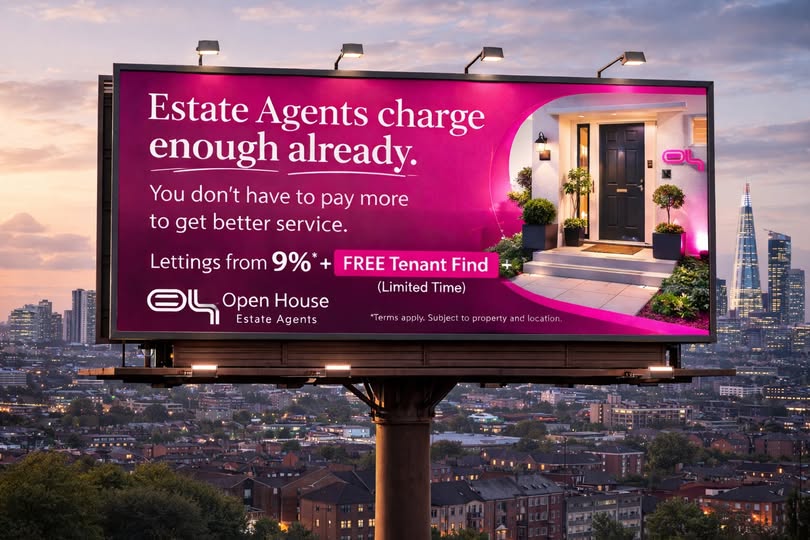
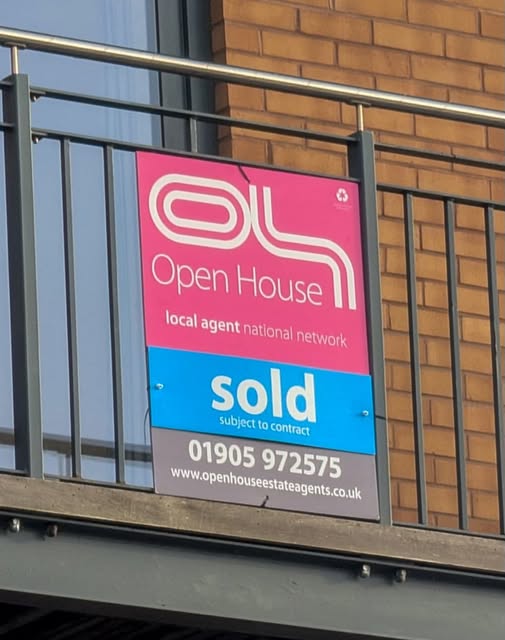
That is one reason many local homeowners prefer a straightforward model. Open House Worcestershire keeps things simple – clear pricing, direct contact and practical support from valuation through to completion.
The best way to reduce stress is to make fewer avoidable mistakes
No sale is completely free of pressure. You are dealing with large sums of money, timescales that can move, and decisions that affect where you live next. But a lot of the worst stress is preventable.
It usually comes from avoidable mistakes: unrealistic pricing, weak marketing, poor communication, unqualified buyers, missing paperwork and not enough follow-up once a sale is agreed. Get those areas right and the process becomes far more manageable.
If you are thinking about selling, focus less on promises and more on process. Ask how your property will be priced, marketed, shown and progressed. Ask who will keep you updated. Ask what happens when a survey issue appears or a buyer slows down. Those answers tell you far more than a polished pitch.
A house sale feels lighter when everyone knows their job and someone takes responsibility for keeping it on track.