
Putting your home on the market is not just about choosing an asking price. The agreement you sign affects who markets your property, what you may pay in fees and how clearly the sale is managed. In the sole agency vs open agency decision, the best route is usually the one that gives you proper exposure without creating confusion, duplicated effort or unnecessary cost.
For many Worcestershire sellers, a sole agency agreement with one capable local agent is the more straightforward option. That said, open agency can have a place where a property needs a different approach. The key is understanding exactly what you are agreeing to before the board goes up.
What is a sole agency agreement?
A sole agency agreement means you appoint one estate agent to market and sell your property for an agreed period. That agent handles the valuation advice, photography, portal advertising, enquiries, viewings, feedback, negotiation and progression through to completion.
In a genuine sole agency arrangement, the agent is normally entitled to their fee if they introduce the eventual buyer. If you find a buyer yourself without the agent’s involvement, you may not owe commission. However, terms vary, so never assume. Read the agreement carefully and ask the agent to explain the wording in plain English.
A sole agency should not mean limited marketing. One good agent can put a property in front of a wide audience through the major portals, their buyer database, social media and direct local contacts. The difference is that one person is accountable for the campaign and every conversation about your sale.
Do not confuse sole agency with sole selling rights
This distinction matters. A sole selling rights agreement usually allows the agent to claim commission if your property sells during the contract period, even if you find the buyer yourself. That can be appropriate in some cases, but it is a different commitment from sole agency.
Before signing, ask two direct questions: when is a fee payable, and what happens if I introduce my own buyer? A reputable agent should answer clearly, without hiding behind small print.
What is open agency?
Open agency, sometimes called multi-agency, means more than one estate agent is instructed to sell your home. The agent who introduces the buyer who completes the purchase is usually paid the commission.
It can sound like a sensible way to cast the net wider. Several agents may have different buyer lists, and a distinctive country home or higher-value property may benefit from access to specialist contacts. If each agent genuinely reaches a different audience and presents the property well, open agency can create useful additional interest.
The trade-off is that agents are often less willing to invest time and money in a multi-agency instruction. They know another agent could secure the sale after they have arranged viewings, chased feedback and negotiated with a buyer. Fees are also commonly higher under open agency terms, reflecting that risk.
Sole agency vs open agency: the practical differences
The decision is less about how many boards appear on your road and more about the quality of the selling process.
With sole agency, there is one price, one set of photographs, one property description and one point of contact. Buyers receive consistent information. You receive clear feedback after viewings and one person takes responsibility for chasing offers and keeping the chain moving.
With open agency, the same property may appear several times online, occasionally with different photographs, descriptions or even asking prices. Buyers can see this as a sign that a seller is struggling or in a rush. It may also make them more likely to test a lower offer.
There is also a practical risk around buyer introductions. If two agents both speak to the same buyer, disputes can arise over who first introduced them. Good record keeping helps, but it is a problem most sellers would rather avoid.
Why one committed agent often produces better results
Selling well is not simply about uploading a listing to Rightmove, Zoopla and PrimeLocation. The work starts after the property goes live.
A committed agent should make sure the presentation is right, respond quickly to enquiries, qualify buyers, accompany viewings where appropriate, gather honest feedback and adjust the strategy when the market tells you something. When an offer arrives, they should understand the buyer’s position, negotiate firmly and keep the sale progressing between solicitors, mortgage brokers and everyone in the chain.
That is much easier when one agent owns the process. You know who to call. The agent knows every viewing, every comment and every potential buyer. There is no passing the problem between branches or call centres.
Sole agency works particularly well when you choose an agent with strong local knowledge, realistic valuation advice and national portal reach. You are not sacrificing visibility for simplicity. You are avoiding competing versions of the same sale.
When open agency may be worth considering
Open agency is not automatically the wrong choice. It may suit a property with a very specialist market, such as an unusual rural home, a substantial development opportunity or a house where buyers are likely to come through several niche channels.
It can also be considered if a previous single-agent marketing period has ended and there is a clear reason to change direction. Perhaps the property needs new photography, a revised price or an agent with a different type of buyer database. But adding more agents without changing the strategy rarely fixes the underlying issue.
If you do choose open agency, agree the asking price, check each agent’s contract and keep a written record of viewings and introductions. Insist that all marketing uses accurate, consistent details. Most importantly, compare the likely total fee against the genuine extra value each agent brings.
Questions to ask before you sign
The contract matters as much as the pitch. Ask how long the initial tie-in period lasts and what notice is required to end the instruction. Find out whether there are withdrawal charges, marketing costs or commission due after the agreement ends if a buyer introduced during the term later purchases.
You should also ask how the agent will market your property, whether viewings are accompanied, who will negotiate offers and who will update you once a sale is agreed. A low fee is only good value if the service is capable of protecting your price and reducing the chance of a sale falling through.
Be wary of an inflated valuation used simply to win your instruction. The strongest agent is not necessarily the one who promises the highest figure. It is the one who can explain the evidence, market the property properly and give you direct, honest advice when buyer feedback starts to come in.
Choosing the right approach for your home
For most standard residential sales across Worcester, Malvern, Evesham, Pershore, Droitwich and the surrounding areas, a well-run sole agency arrangement offers the best balance of reach, control and value. It keeps the marketing focused and gives you one accountable professional from valuation to completion.
The important word is “well-run”. A sole agent who simply lists the property and waits is not enough. Look for transparent fees, professional presentation, broad portal exposure and a named local person who answers the phone and stays involved.
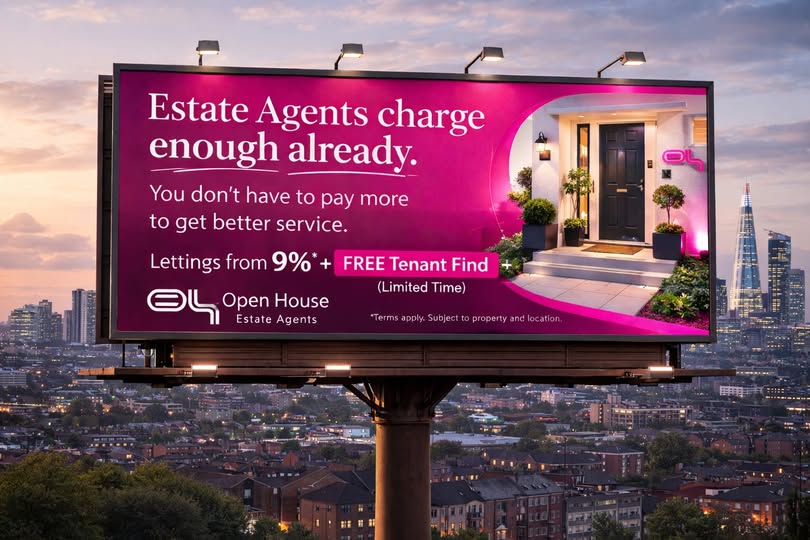
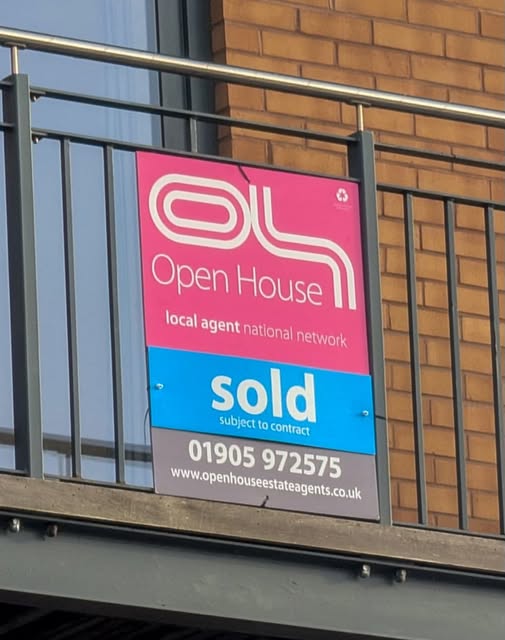
Open House Worcestershire works on a sole agency basis with a clear 0.9% fee including VAT and no sale, no fee. More importantly, you deal directly with Matt Perks rather than being passed through a call centre.
Before choosing either route, ask for a straight-talking valuation and make the decision based on the agent’s plan, not pressure or promises. Your home deserves one clear strategy and someone prepared to stand behind it.