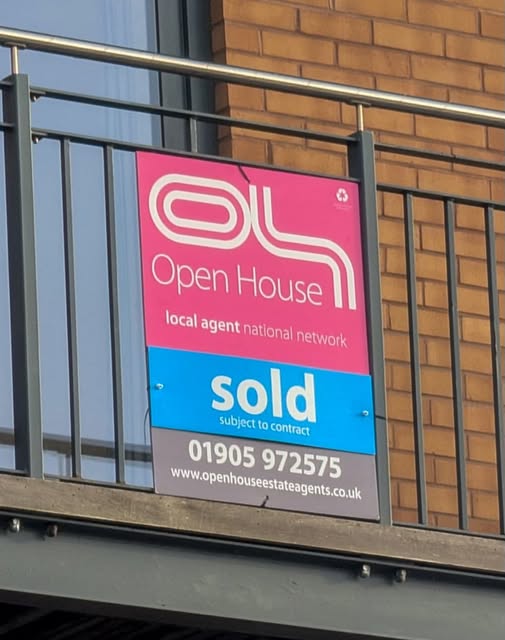

A memorandum of sale is the document your estate agent sends out once a seller has accepted an offer. It records the agreed terms and gives the solicitors the information they need to begin conveyancing. It is a positive step, but it is not the finish line: until contracts are exchanged, either party can usually still withdraw.
For sellers and buyers in Worcestershire, getting this stage right matters. A clear, accurate memorandum helps avoid delays, keeps the chain moving and makes sure everyone starts from the same facts.
What is a memorandum of sale?
Think of it as the formal handover from the agent-led part of a sale to the legal process. Once the price and basic terms have been agreed, the agent prepares the memorandum and circulates it to the buyer, seller and both conveyancers.
It confirms that a sale has been agreed subject to contract. That wording is crucial. The parties have agreed an intention to buy and sell, but neither is legally committed at this point. The legally binding moment comes when contracts are exchanged.
A memorandum of sale is not a contract, a survey or proof that a mortgage has been approved. It does not replace the conveyancing work that follows. Its job is simpler: to give every party a reliable starting point and allow the legal teams to open the file without unnecessary back-and-forth.
What should a memorandum of sale include?
The detail can vary slightly between agents, but a useful document should be specific enough to prevent confusion later. It will normally state the full property address, the agreed purchase price, and the names and contact details of the buyer and seller.
It should also include the details of both solicitors or conveyancers, whether the buyer is purchasing with a mortgage, and the position of the chain. If the sale includes particular items, such as a garage, parking space, garden land or agreed fixtures, these should be identified where relevant.
The memorandum may also record the date the offer was accepted and any important conditions. For example, a buyer may have made their offer subject to selling their own property, obtaining a mortgage, or resolving a point raised during viewings. Clear notes at the outset can save arguments later.
Accuracy is more valuable than speed here. A wrong email address, an outdated solicitor instruction or a missing chain detail can leave a transaction sitting still for days. This is why a good local agent checks the essentials before issuing the paperwork, rather than simply pressing send.
Who receives it?
The seller and buyer receive a copy, as do their respective solicitors or conveyancers. If there is a chain, the agent may also coordinate with other agents involved so the wider picture is understood.
Mortgage lenders do not usually rely on the memorandum itself. The buyer’s lender will have its own valuation and underwriting process. However, knowing whether finance is agreed in principle, whether a broker is involved and when the valuation is likely to happen helps everyone judge how quickly the transaction can progress.
What happens after the memorandum of sale is issued?
The legal work starts properly. The seller’s conveyancer sends out a contract pack, including title information and standard property forms. The seller will usually need to complete forms covering matters such as boundaries, alterations, disputes, services, guarantees and what is included in the sale.
The buyer’s conveyancer reviews the paperwork, raises enquiries, orders searches and works with the mortgage lender where applicable. The buyer should arrange a survey if they have not already done so. A lender’s valuation is not the same as a survey: it is primarily for the lender’s benefit and may not reveal defects that could affect the buyer’s decision or future costs.
At the same time, the estate agent should remain involved. Good communication between the buyer, seller, solicitors, broker and chain can identify a problem before it becomes a stalled sale. Chasing for the sake of it is not helpful, but neither is silence. The right updates at the right time keep expectations realistic.
For a straightforward freehold property with no chain, a sale may progress relatively quickly. Leasehold homes, probate sales, properties with title issues, long chains and mortgage complications can all take longer. No agent can promise an exchange date before the legal work is complete, but proactive coordination makes a real difference.
Is an accepted offer legally binding?
No. In England, an accepted offer and a memorandum of sale do not bind either party in the way exchanged contracts do. The price can be renegotiated, the buyer can withdraw, or the seller can accept another offer before exchange.
This can feel frustrating, especially after weeks of preparation. But it is also why early checks are sensible. Before marking a property sold subject to contract, an agent should understand the buyer’s position, ask for evidence of funds or an agreement in principle, establish whether they have a related sale, and confirm they are ready to instruct a conveyancer.
For sellers, choosing the highest offer is not always the strongest decision. An offer slightly below the top figure from a chain-free buyer with funds in place may carry less risk than a higher offer from someone who still needs to sell. The best route depends on your priorities: maximum price, speed, certainty, or a sensible balance of all three.
Gazumping and gazundering are possible before exchange. Gazumping is where a seller accepts a higher offer from another buyer. Gazundering is where a buyer reduces their offer late in the process, often after a survey or because they believe the seller is under pressure. Neither is ideal, but careful buyer qualification, realistic pricing and steady communication reduce the chance of unpleasant surprises.
How sellers can help prevent delays
The most effective time to prepare for a sale is before an offer arrives. Instructing a conveyancer early means they can begin collecting title documents and sending the initial forms as soon as the memorandum is issued. If you have paperwork for planning permissions, building regulations approval, FENSA certificates, warranties or past electrical work, locate it early.
Be upfront about issues that may emerge in enquiries. An extension without the expected paperwork, a shared access arrangement, a boundary question or a historic dispute will not disappear because it is left out of the first conversation. Your conveyancer can advise on the right way to handle it, and early disclosure is usually quicker and less stressful than a late surprise.
If you are buying as well as selling, keep your agent updated on each part of the chain. A delay in one transaction affects every other moving date. It is better to say that a mortgage valuation has been rescheduled or a form is awaiting signature than let others assume progress is being made.
How buyers can keep the purchase moving
Choose your conveyancer promptly and provide identification, proof of address and proof of deposit when requested. These checks are routine, but files cannot move forward properly until they are completed. If you are using a mortgage, respond quickly to requests from your broker and lender.
Arrange a suitable survey early. The right choice depends on the age, condition and type of property. A newer home in good condition may need a less detailed report than an older cottage, a property with visible movement, or one that has been significantly altered. A survey can lead to further questions or a price discussion, so leaving it until late in the process rarely helps.
Most importantly, keep your decisions clear. If a survey identifies a genuine concern, raise it with evidence and allow time for a sensible response. Trying to renegotiate over minor points can damage goodwill and may not reflect the reality that every property will have some wear and maintenance needs.
A sale needs more than a document
A memorandum of sale may only be a few pages, but it signals the point where preparation turns into a live transaction. The quality of the information, the readiness of both parties and the communication that follows all influence whether a sale reaches exchange smoothly.
At Open House Worcestershire, the focus is on making that handover clear and well managed, with one accountable point of contact rather than a call centre. When you are ready to sell, a straight-talking valuation and early preparation can put you in a far stronger position when the right offer comes in.