
If you are asking how long does house sale take, you are probably not looking for a vague answer. You want to know when you can make an offer, book removals, sort the mortgage, or finally stop living in a half-packed house. The honest answer is that most sales take somewhere between 8 and 16 weeks from offer accepted to completion, but that range can shift quite a bit depending on the buyer, the chain, the solicitors, and the condition of the paperwork.
Some homes sell and complete faster. Some drag on for months. The difference usually comes down to how prepared everyone is and how quickly problems are dealt with when they appear.
How long does house sale take from start to finish?
There are really two timelines to think about. The first is from going on the market to accepting an offer. The second is from offer accepted to completion.
If a property is priced properly and marketed well, you might accept an offer within a few days or a few weeks. In a slower market, or if the asking price is too ambitious, it can take much longer. After that, the legal and mortgage process usually takes 8 to 16 weeks.
That means a realistic full timeline from listing to completion is often around 2 to 5 months. If there is no chain and both sides are organised, it can be quicker. If there is a long chain, title issues, or delays with searches and mortgage approvals, it can easily run beyond that.
For sellers in Worcestershire, timing can also vary by location, buyer demand, and property type. A well-presented family home in a popular area can move faster than a property that needs major work or appeals to a smaller pool of buyers.
What happens at each stage of a house sale?
1. Preparing the property for market
Before the property even goes live, there is a short setup stage. This includes valuation, agreeing the asking price, photography, floorplans, the Energy Performance Certificate if needed, and preparing the property details.
If this is handled promptly, it may only take a few days. If paperwork is missing or decisions keep being delayed, it can take longer than it should. This early stage matters because a strong launch often leads to better interest and a quicker sale.
2. Marketing and viewings
Once the property is live, the next step is attracting buyers and arranging viewings. Some sellers receive strong interest immediately. Others need a little more time or a price adjustment before the right buyer comes along.
This is where presentation, pricing and agent follow-up make a real difference. A home that is clean, well photographed and sensibly priced will nearly always get more serious interest than one that feels overpriced from day one.
3. Offer agreed
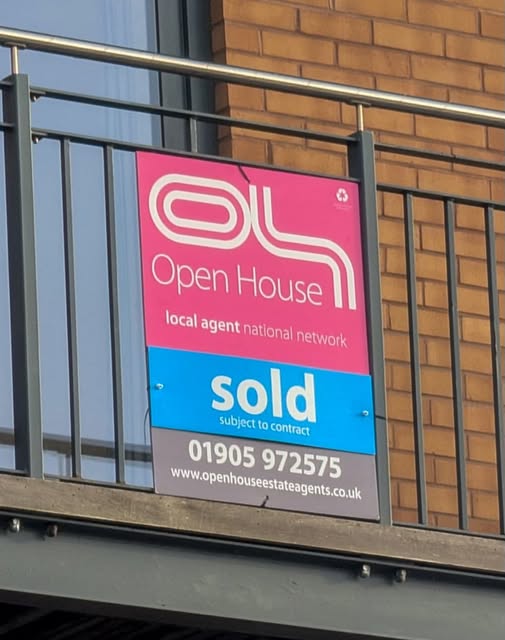
When an offer is accepted, the sale moves into the conveyancing stage. At this point the property is usually marked as sold subject to contract. Nothing is legally binding yet, so speed and communication matter.
The buyer should arrange their mortgage application if needed, both sides instruct solicitors, and the legal work begins.
4. Conveyancing, searches and surveys
This is usually the longest part of the process. The buyer’s solicitor carries out searches, reviews the draft contract, checks title documents and raises enquiries. The buyer may also arrange a survey, and the lender will carry out a valuation.
If the property is straightforward and everyone responds quickly, this stage can move along without too much trouble. If the survey throws up issues, or if the solicitor uncovers missing certificates, boundary questions or leasehold complications, progress can slow down quickly.
5. Exchange and completion
Once enquiries are resolved, the mortgage offer is in place, and everyone in the chain is ready, contracts can be exchanged. After exchange, the completion date is fixed and the sale becomes legally binding.
Completion often happens one or two weeks later, although it can be the same day or much later depending on what has been agreed. On completion day, the money is transferred and the keys are handed over.
What causes delays in a house sale?
Most delays are not dramatic. They are usually the result of small issues stacking up.
Chains are a major factor. If your buyer needs to sell, and their buyer needs to sell, every stage depends on multiple households staying aligned. One slow mortgage offer or one unresolved legal query can affect everyone.
Solicitor response times also play a big part. Good conveyancers can only move as fast as the information they receive, but there is no doubt that some firms are more proactive than others. Delays often happen when enquiries sit unanswered or updates are not chased properly.
Surveys can create another pause. A buyer may ask for a price reduction if the survey flags damp, roof issues, movement, or outdated electrics. Sometimes that leads to renegotiation. Sometimes the buyer walks away.
Paperwork causes more trouble than many sellers expect. Missing planning permissions, absent building regulation certificates, unclear boundaries, or leasehold management delays can all add time. Even something as simple as not having guarantees or FENSA certificates to hand can hold things up.
Mortgage issues are another common reason. Buyers may face extra lender checks, affordability questions, or delays in getting the formal mortgage offer issued.
How to speed up the sale
You cannot control every part of the process, but you can remove a lot of friction before it starts.
Choose an asking price that reflects the market, not just the figure you hope for. Overpricing often costs time at the beginning and can weaken your position later.
Instruct a solicitor early. You do not need to wait until you have accepted an offer. Getting the legal file opened in advance can save valuable days.
Gather key documents before the property goes live. That includes ID, title information, warranties, planning paperwork, building regulations sign-off, service charge details if leasehold, and any guarantees for work carried out.
Be ready for viewings and flexible with access. The easier it is for serious buyers to see the property, the better your chance of getting a proceedable offer quickly.
Once a sale is agreed, reply to questions promptly. Delays often come from waiting a week to answer something that could have been dealt with the same day.
It also helps to work with an agent who keeps the sale moving instead of stepping back once the offer is accepted. Good sales progression is not glamorous, but it saves time and stress. That is one reason many local sellers prefer a personal service over a call-centre model.
How long does house sale take if there is no chain?
A no-chain sale is usually faster because there are fewer moving parts. If the buyer has their mortgage arranged, the survey is straightforward and the legal work is clean, completion in 6 to 10 weeks is possible.
Cash buyers can sometimes move faster still, but cash does not always mean instant. Their solicitor still needs to carry out checks, and buyers can still delay while making decisions.
How long does house sale take with a chain?
With a chain, 10 to 16 weeks is common, and longer is not unusual. Every linked sale needs to reach the same point before exchange can happen.
This does not mean chains are a problem by default. Most sales involve one. It simply means timing is less predictable, and regular communication matters more.
A realistic way to think about timing
The best question is not just how long does house sale take. It is what is likely to slow my sale down, and what can I do now to avoid it.
A well-priced property, strong marketing, organised paperwork and active sales progression can shave weeks off the process. Poor communication, inflated pricing and missing documents can add them back on just as quickly.
If you want a sale to move at a sensible pace, the aim is not to rush for the sake of it. The aim is to remove avoidable delays, keep everyone informed, and deal with issues before they turn into bigger ones. That is usually what gets you to completion faster, and with far less stress.