
A house valuation can feel like the moment everything becomes real. One figure on paper suddenly shapes your plans, whether you are moving, downsizing, releasing equity, or working out whether now is the right time to sell.
The trouble is, many sellers assume valuation is a fixed science. It is not. There is data behind it, of course, but there is also judgement, local knowledge, buyer behaviour and timing. That is why two valuations can differ, and why the highest number is not always the best one.
What a house valuation actually means
At its simplest, a house valuation is an informed estimate of what your property is likely to achieve on the open market in current conditions. Not what you need it to sell for. Not what you spent on improvements. Not what a neighbour said theirs was worth last spring.
A good valuation should reflect evidence and market reality. It should also take account of how buyers in your area are behaving right now. In a steady market, pricing can be more predictable. In a hesitant one, accuracy matters even more because buyers are quick to ignore homes that look overpriced.
This is where sellers can get caught out. A flattering figure may sound good in the living room, but if it does not line up with demand, it can cost you time and money.
How agents work out a house valuation
A proper valuation is not pulled from a portal estimate or guessed from kerb appeal. It is usually built from a few key things taken together.
First, there is comparable evidence. Agents look at similar homes that have sold nearby, paying close attention to size, condition, location and style. A three-bedroom semi in one part of Worcester may not compare neatly with a similar-looking home a mile away if school catchments, parking or road position differ.
Second, there is the property itself. Presentation matters, but so do layout, upkeep and practicality. Buyers tend to pay more for homes that feel easy to move into. A fresh kitchen is helpful, but so is a sensible floor plan, decent storage and an extra parking space.
Third, there is current demand. If family homes in Malvern are moving quickly and stock is tight, values may hold firmer. If landlords in another area are more cautious and there is more competition, pricing may need to be sharper. This is why local market knowledge matters more than generic online estimates.
What adds value and what does not
Sellers often ask which improvements increase value most. The honest answer is that not every pound spent comes back in the valuation.
Usable space tends to matter more than expensive finishes. An extra bedroom, a well-designed extension, off-road parking or a practical home office can influence value more clearly than luxury taps or high-end tiles. Buyers usually pay for function first.
Condition also matters, but there is a balance. A clean, well-maintained home with neutral presentation can perform very well without a full renovation. On the other hand, obvious repair issues, dated bathrooms, tired décor or signs of damp can drag value down because buyers factor in both cost and hassle.
Then there are improvements that are personal rather than market-led. A bespoke media wall or very niche garden design may have cost a fair bit, but it will not necessarily raise the sale price. The market rewards broad appeal more than individual taste.
Why online estimates only tell part of the story
Online valuation tools are useful as a starting point, not a pricing strategy. They rely heavily on historic data, postcode patterns and broad assumptions. That can be fine for a rough range, but it misses the detail that buyers notice immediately.
Two houses on the same road can vary significantly in value. One may back onto open views, the other onto a busy road. One may have been extended properly, the other may lose a bedroom to create a dressing room. Online systems do not always understand that.
This is especially relevant in places across Worcestershire where street-by-street differences can be significant. A realistic valuation comes from looking at the property in person and understanding how it will be judged against current competition.
The risk of overpricing
Most sellers know underpricing is a problem. Fewer appreciate how damaging overpricing can be.
When a property launches too high, it often gets the wrong kind of attention. It may win clicks online, but not viewings from serious buyers. Or it attracts viewers who like the house but quickly conclude it is not worth the asking price. The listing sits, interest cools, and the eventual reduction can make buyers wonder what is wrong with it.
That matters because the strongest interest usually comes early. Fresh listings get the most attention. If the price is out of step at the start, you risk missing the window when buyers are most alert.
In many cases, an ambitious asking price does not lead to a stronger sale. It leads to a slower one, followed by negotiation from a weaker position.
The risk of underpricing
Underpricing is less common, but it does happen. Sometimes sellers are in a hurry. Sometimes they have been given an overly cautious view of the market. Sometimes they just want a quick result.
A sharp price can generate strong interest, and in some circumstances that works well. But there is a difference between pricing competitively and leaving money on the table. If your home is in a sought-after area, well presented and in short supply, pricing too low can needlessly reduce your final outcome.
The right valuation sits in the middle ground. It should be realistic enough to attract action and strong enough to protect your position.
What affects value beyond the property itself
Location at micro level
People say location, but what they often mean is the details within the location. A quiet cul-de-sac, a better walk to the station, easier access to schools, or less passing traffic can all influence price. These are not minor points. Buyers compare them closely.
Timing and market conditions
Interest rates, mortgage availability and buyer confidence all play a part. Even seasonal factors can matter. A family home marketed in spring may attract different urgency than one launched just before Christmas. The valuation should reflect the market you are entering now, not six months ago.
Supply and competition
If there are five similar homes for sale nearby, your pricing has to make sense against all of them. If there is little comparable stock, you may have more room. A valuation is never done in isolation. It is tied to the choices buyers already have.
Should you get more than one valuation?
Yes, in most cases it is sensible. But the goal is not to collect the highest number. It is to compare the reasoning behind each figure.
Ask how the value was reached. Ask which comparable sales were used. Ask what the likely buyer profile is and how long the property may take to sell at that level. A good agent should be able to explain the logic clearly, without hiding behind jargon.
If one valuation is far above the others, be cautious. That does not automatically make it wrong, but it does mean you should look closely at the evidence. Sometimes an inflated figure is simply a pitch to win the instruction.
Straight-talking advice is usually more useful than optimism dressed up as expertise.
How to prepare for a valuation
You do not need to stage your house like a show home, but a few practical steps help. Make sure the property is clean, tidy and easy to walk through. Finish obvious small jobs if you can. Gather details on any improvements, planning permissions, warranties or recent work. If there are points an agent might miss, such as upgraded insulation or a new boiler, mention them.
It also helps to be clear about your position. If you need a quick sale, that affects strategy. If you are testing the market with no pressure, that is different. A useful valuation is not just about the number. It is about matching price to your goals.
Valuation for selling versus letting
If you are a landlord, valuation works differently. A sales value and a rental value are not the same exercise. For lettings, the focus is on tenant demand, monthly rent, condition, legal compliance and the type of tenant the property is likely to attract.
That matters because some improvements support rent more than sale price, and vice versa. Professional management, clear marketing and realistic pricing all play a part in reducing void periods and attracting better applicants.
For homeowners and landlords alike, the best advice is usually the same. Base decisions on evidence, not guesswork.
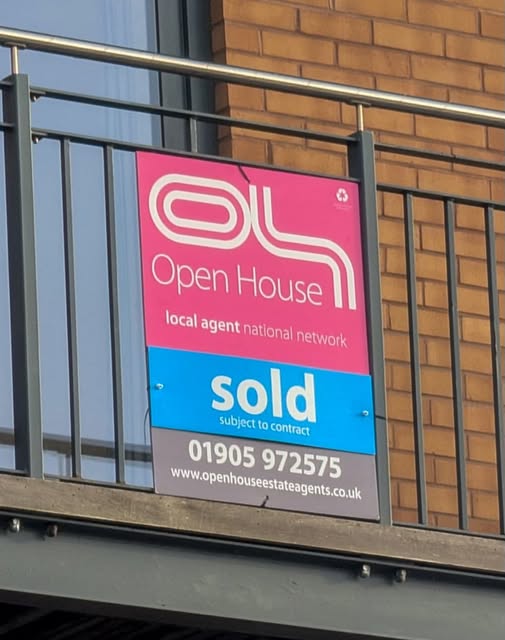
Open House Worcestershire takes that straight-talking approach because it saves time and usually leads to a better result. A realistic valuation does not undersell your home. It gives it the best chance of being taken seriously by the right buyers from day one.
If you are thinking about moving, treat the valuation as the start of the strategy, not just a number to compare. The right figure should give you clarity, confidence and a sensible path forward.