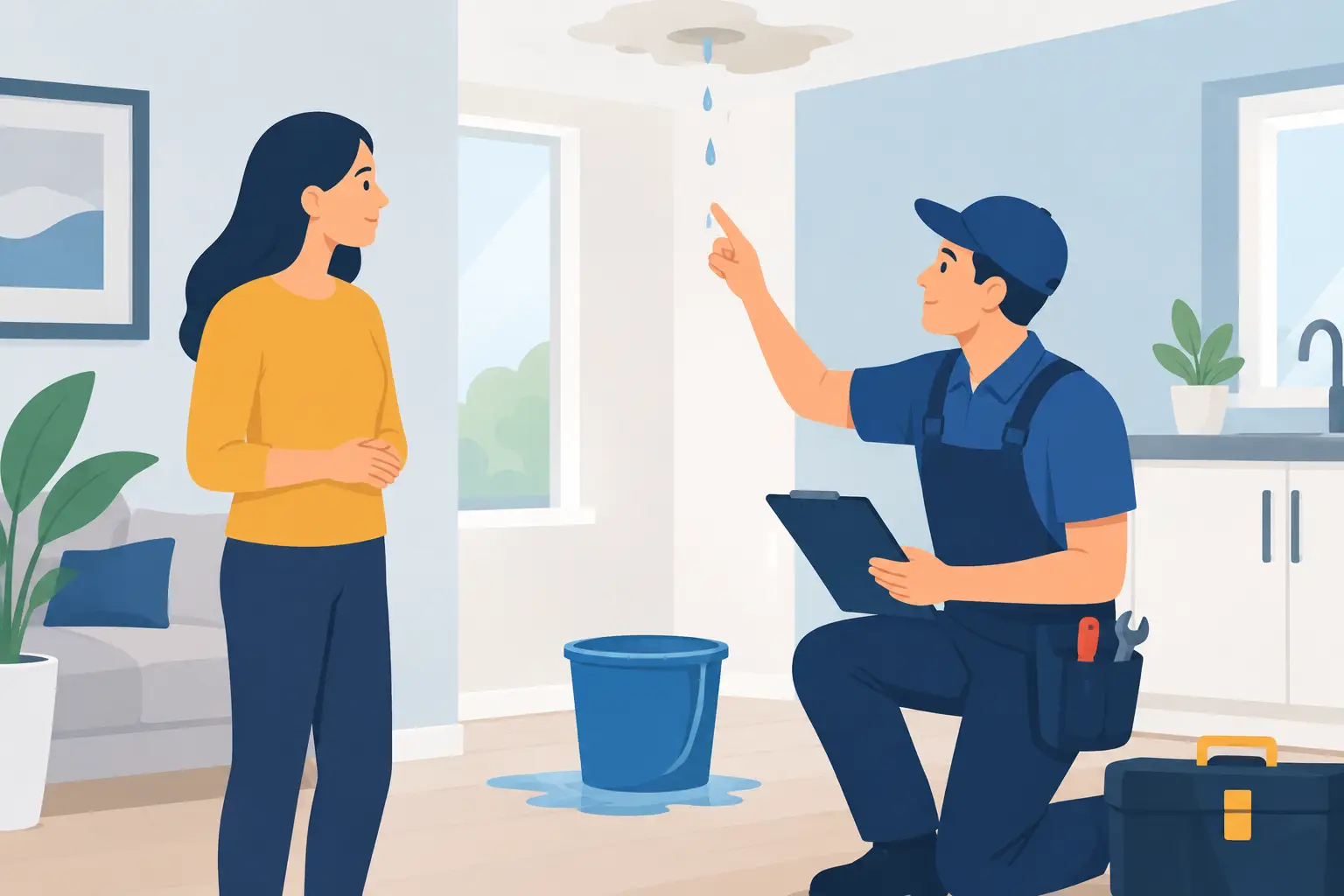
A tenant reports water coming through the ceiling on a Friday evening. The difference between a manageable repair and a costly claim is often the first hour, not the final invoice. Knowing how to respond to tenant repairs means having a calm, repeatable process that protects the tenant, the property and your rental income.
For landlords, repairs are not simply an unwanted cost of letting a home. They are part of providing a safe, habitable property and keeping a good tenant in place. Slow replies create frustration. Poor records create disputes. Clear action, on the other hand, shows your tenant that their home matters and gives you proper control over the work.
How to respond to tenant repairs: start with the right questions
Thank the tenant for reporting the issue, then establish what has happened, when it started and whether anyone is at immediate risk. Ask for clear photographs or a short video where appropriate. This is not about making a tenant prove their case. It helps you decide whether a contractor needs to attend urgently and gives them useful information before they arrive.
Find out whether the issue is getting worse, whether water, gas or electricity is involved, and whether the tenant has been able to safely limit further damage. For example, a tenant may be able to turn off a stopcock if a pipe is leaking, but they should never be asked to deal with exposed wiring, a suspected gas leak or anything that feels unsafe.
Record the report in writing, including the date and time. A text or email acknowledgement is usually enough: confirm that you have received the report, explain the next step and give a realistic update time. Avoid vague promises such as “we’ll sort it soon”. Tenants want to know who is dealing with the problem and when they will hear from you next.
Prioritise safety before convenience
Not every repair needs a same-day visit, but genuine emergencies do. The key is to assess the consequence of waiting, rather than simply the inconvenience caused.
An emergency normally includes an uncontrolled leak, total loss of heating or hot water in cold weather, a serious electrical fault, a blocked sole toilet, insecure external doors or windows, or a suspected gas issue. If there is a smell of gas, advise the tenant to leave the property if necessary, avoid electrical switches and contact the national gas emergency service. Use a Gas Safe registered engineer for gas work.
Other faults may be urgent without being immediate emergencies. A broken boiler in winter, a fridge-freezer supplied with the tenancy that has failed, or a leaking roof during heavy rain may need prompt attention, even if a temporary measure is possible.
Routine repairs include issues such as a dripping tap, damaged sealant, a loose cupboard door or an extractor fan that has stopped working. These should still be logged, acknowledged and booked in within a sensible timeframe. Leaving small problems too long can turn them into damp, mould, water damage or a larger bill.
Be clear about responsibility, without being confrontational
In most residential tenancies, the landlord is responsible for keeping the structure and exterior in repair, as well as installations for water, gas, electricity, sanitation, heating and hot water. A tenancy agreement can set out practical responsibilities, but it does not remove your core legal obligations.
Tenants are generally responsible for looking after the home reasonably, reporting problems promptly and putting right damage caused by themselves, their household or visitors. There can be grey areas. A shower screen that fails through age and normal use is different from one broken by force. Mould caused by a building defect is different from mould linked to persistent lack of ventilation, although the cause should be properly investigated before blame is assigned.
Take a measured approach. Do not assume a repair is the tenant’s fault because it has occurred during their tenancy. Equally, do not automatically accept responsibility where there is clear evidence of accidental or negligent damage. Photographs, inspection notes, contractor findings and the original inventory all help establish the facts.
Arrange access and keep the tenant updated
Once you have decided what action is needed, appoint a suitably qualified contractor and tell the tenant who is attending, when they expect to arrive and what work may be required. Give proper notice for planned visits and agree access wherever possible. Emergencies are different, but even then, good communication matters.
A tenant should not have to chase you repeatedly for an update. If a part needs ordering or a contractor cannot attend until the next day, say so. Explain any temporary steps being taken, such as providing heaters while a boiler repair is arranged, or isolating a leaking appliance.
Be realistic about timescales. A simple repair may be completed in one visit, while a roof leak, damp issue or replacement boiler can involve diagnosis, quotes, parts and scheduling. The tenant does not need a perfect answer on day one. They need an honest one and regular communication while the work is in progress.
Use qualified contractors and control the cost
The cheapest quote is not always the best value. Repairs involving gas, electrics, roofing, drainage or structural issues need people with the right competence, insurance and certification. Poor workmanship can leave the tenant at risk and lead to paying twice for the same job.
For non-urgent works, it is sensible to obtain quotes where the expected cost justifies it. But do not let quote-gathering delay a repair that is causing active damage or making the home unsafe. In an emergency, stopping the damage comes first. You can review the full remedial work once the property is secure.
Ask contractors to confirm the cause of the problem, work completed, materials used and whether further work is recommended. Keep invoices, certificates, photographs and messages together. This gives you a clear maintenance history, supports future budgeting and is valuable if there is any disagreement later.
Check that the repair has actually solved the problem
A contractor visit is not always the end of the matter. Contact the tenant afterwards to confirm the issue is resolved. If the repair involved a leak, check whether ceilings, flooring or decoration have been affected. If it involved damp or mould, make sure the underlying cause has been addressed rather than simply cleaned over.
This follow-up is also where recurring problems become visible. A boiler that has needed several call-outs, a roof that repeatedly leaks in heavy rain or a bathroom fan that regularly fails may point to replacement being better value than repeated patch repairs.
Regular property inspections help, but they do not replace a tenant’s day-to-day reporting. Encourage tenants to raise concerns early and make it easy for them to do so. A landlord who responds fairly is more likely to hear about small faults before they become expensive ones.
Avoid the mistakes that cause disputes
The most common repair problems are usually communication failures. Ignoring a report, challenging a tenant before investigating, sending an unqualified contractor or failing to confirm what will happen next can quickly damage the landlord-tenant relationship.
Do not instruct a tenant to arrange and pay for repairs unless this has been properly agreed and the situation genuinely calls for it. They may have the right intentions but choose an unsuitable contractor or agree work at a higher cost than necessary. If you authorise a tenant to arrange something, put the agreed spending limit and reimbursement process in writing.
It is also wise to separate a repair issue from wider tenancy matters. If rent is overdue or the tenancy is ending, your responsibilities for legitimate repairs remain. Treat each issue properly and keep the paperwork clear.
When managed lettings support makes sense
Self-managing can work well when you have reliable contractors, time to respond and confidence handling decisions. It becomes harder when an emergency arrives outside working hours, you live some distance away or several small issues start taking up too much of your week.
A fully managed service gives landlords one point of contact for maintenance reports, contractor coordination, tenant updates, inspections and records. At Open House Worcestershire, that means practical local support rather than passing a tenant through a call centre. The aim is simple: deal with issues early, communicate clearly and keep your property performing as it should.
A repair report is a chance to show a tenant what sort of landlord you are. Reply promptly, act proportionately and keep a written record from first message to final check. That approach protects the property, reduces avoidable stress and helps good tenancies last.