
A rural home can be difficult to value from a postcode alone. Two properties a mile apart may offer entirely different views, access, outbuildings, broadband speeds, drainage arrangements and scope for future use. That is why knowing how to market rural property properly matters. The aim is not simply to get more clicks. It is to give the right buyers enough confidence to book a viewing and make a serious offer.
For sellers across Worcestershire, that means presenting the lifestyle honestly while dealing clearly with the practical details that can make or break a sale.
Start with a price based on the full property, not just the house
Rural buyers are often buying more than bedrooms and square footage. They may be looking for a home office with reliable internet, room for horses, a workshop, a garden that feels private, or an easier commute to Worcester, Malvern, Evesham or the surrounding villages. Those features can add real appeal, but they do not all add value in the same way.
A sensible asking price should reflect recent local evidence, the condition of the house and what is included in the sale. Land, stables, barns, paddocks, rights of way and outbuildings need to be assessed carefully rather than treated as automatic premiums. A field may be a major draw for one buyer and a maintenance concern for another.
Overpricing is particularly risky in rural locations. There are usually fewer directly comparable homes, so buyers will look closely at whether the price makes sense. A strong launch can lose momentum quickly if the property sits on the market without viewings or offers. A straight-talking valuation gives you a better starting point than a figure chosen simply to win the instruction.
Make the first impression feel credible
Photography does a lot of the early selling work, but rural property needs more than a wide shot of a view. Buyers need to understand what they are looking at and how the property works day to day.
Professional images should show the house in its best light, then explain its setting. Capture key rooms, the approach, garden, views, parking, outbuildings and any land included. If a feature is important, make it easy to identify. A buyer should not have to guess whether the attractive barn belongs to the property or the neighbour.
Timing helps. Gardens look different through the year, and a muddy access track photographed in poor weather may create the wrong impression. That does not mean hiding reality. It means showing the property fairly and at its most appealing. Tidy entranceways, cut back overgrowth, repair obvious gates and clear sheds or barns where possible. Small jobs can make the entire place feel better cared for.
Floorplans are equally useful. Rural homes often have unusual layouts, extensions, boot rooms, utility spaces and separate buildings. A clear floorplan lets buyers judge whether the property suits their family, work or hobbies before they travel to view it.
Explain the practical details early
The best rural listings answer the questions buyers will ask anyway. Holding back awkward information rarely creates a better outcome. It can lead to wasted viewings, slower negotiations and a buyer withdrawing after their offer has been accepted.
Be clear about the water supply, drainage, heating, council tax band, broadband availability, mobile coverage and access arrangements. If the property is on a private road, has a shared drive, uses a septic tank or treatment plant, or is affected by a public footpath, say so clearly and accurately. These points are not necessarily negatives. Many buyers expect them in a country property. They simply want to know what they are taking on.
The same applies to boundaries, rights of way and land. State what is included, whether land is freehold or subject to any agreement, and whether there are restrictions or covenants that matter. If there is planning history, potential for conversion or an existing business use, describe it carefully. Do not imply consent or future potential where none has been confirmed.
This level of detail filters out unsuitable enquiries and builds trust with the buyers who remain.
Sell the lifestyle without overselling it
A good rural property description should help buyers picture everyday life there. It may be coffee on a quiet terrace, a dog walk from the door, space for children to play, a productive vegetable garden or a short drive to a village shop and school. Those details make a listing more memorable than a string of estate agency phrases.
But keep the language grounded. “Idyllic” means little if the listing does not explain the setting. Name the practical benefits: nearby rail links, access to major roads, local pubs, schools, market towns and walking routes. For Worcestershire homes, the balance between countryside space and access to places such as Worcester, Droitwich, Pershore or Malvern is often a major part of the appeal.
It also depends on the buyer. A family may value school catchments and bedroom space. A downsizer may be focused on manageable gardens and nearby amenities. Someone relocating from a city may want privacy but still need dependable broadband and a straightforward commute. Good marketing gives each of them reasons to consider the property without pretending it is everything to everyone.
Give the listing the reach it deserves
A rural buyer may come from the next village, but they may also be moving from Birmingham, the Cotswolds, London or further afield. Limiting exposure to one local audience can mean missing the person most likely to pay the right price.
Your property needs to appear where active buyers are searching, supported by an advert that is accurate, well photographed and easy to understand. Distribution through major property portals gives broad visibility, while a local agent brings the knowledge to position the home properly and deal with enquiries that need a detailed answer.
The advert itself should lead with the strongest genuine reason to view. That could be the acreage, a period house, a detached annexe, a village location, equestrian facilities or a particularly useful outbuilding. Do not bury the key selling point halfway down the description.
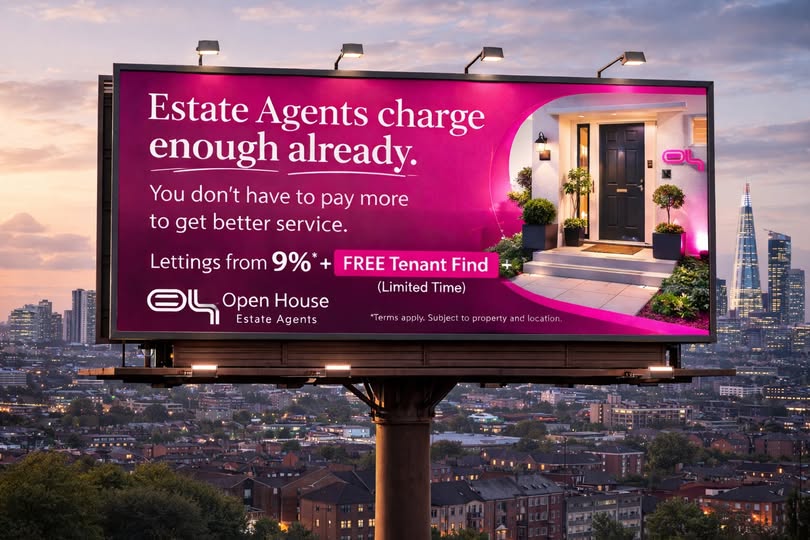
At Open House Worcestershire, the focus is on combining wide portal exposure with direct contact from a local agent who knows the area and remains accountable for the sale. That matters when a buyer asks more than the standard questions.
Prepare for viewings that show the property at its best
Rural viewings often take longer because there is more to see. Buyers may want to walk the garden, inspect a barn, check the approach, stand in different rooms to assess the view or ask about boundaries. Rushing them through rarely helps.
Before viewings, make access simple and safe. Clearly identify parking, secure pets, open gates where appropriate and ensure paths are free from obvious hazards. Have useful information ready, including utility costs, servicing records, drainage details, broadband information and any relevant planning or land documents. You do not need to hand over every document at the door, but confident answers make a strong impression.
Accompanied viewings are valuable for properties with land, outbuildings or unusual features. The person showing buyers around can point out details they may miss and respond properly if they have concerns. Just as importantly, they can gather honest feedback afterwards rather than relying on silence.
Treat feedback and negotiation as market evidence
Not every buyer will be right, and not every criticism should change your plans. Still, repeated feedback is useful. If several viewers mention a difficult layout, access concerns, dated presentation or price, it is worth looking at the issue objectively.
Sometimes the answer is a clearer explanation in the marketing. Sometimes it is a practical improvement. Sometimes the market is telling you the price needs adjusting. The right decision depends on the level of interest, the quality of offers and how your property compares with competing homes.
When an offer arrives, price is only one part of the decision. Check the buyer’s position, whether they have a related sale, their proposed timescale and any conditions attached. A slightly lower offer from a proceedable buyer can be the stronger financial outcome if it reduces the risk of delay or collapse.
Rural property deserves marketing that is as considered as the home itself. Present the character, be upfront about the practicalities and make it easy for the right buyer to see why the move is worth making. That is how interest turns into confident offers rather than a long list of unproductive viewings.