The first two weeks tell you a lot. If your property goes live, gets a burst of views online, a handful of enquiries and then everything goes quiet, it is fair to ask: why is my house not selling?
Most homes do sell when the pricing, presentation and marketing are right. When they do not, there is usually a clear reason behind it. The good news is that a slow sale is not always a dead end. It often means something needs adjusting, not that your home is unsellable.
Why is my house not selling? Start with the obvious
Sellers are often told to “just wait for the right buyer”. Sometimes that is true. More often, the market is giving you feedback and it pays to listen.
If your home is getting very few viewings, the problem usually sits with price, marketing or visibility. If viewings are happening but no offers follow, buyers are being put off by what they see in person, how the property compares with others nearby, or the gap between expectation and reality.
That distinction matters. A property with no interest needs a different fix from a property with plenty of interest but no commitment.
The asking price is too ambitious
This is still the biggest reason a house does not sell.
Every seller wants the strongest possible price. That is reasonable. But there is a difference between aiming well and aiming too high. Buyers in Worcestershire can compare your home with similar properties in Worcester, Malvern, Droitwich, Evesham or Pershore in minutes. If yours looks expensive against local competition, many will not even book a viewing.
Overpricing also does more damage than many sellers realise. A new listing gets the most attention when it first appears on the portals. If it launches too high, you can lose the best window of buyer interest. Later price reductions may help, but by then some buyers assume there is a problem.
A realistic valuation is not about underselling your home. It is about putting it in the range where serious buyers take action.
The market may have moved since you first listed
Even a sensible price can become the wrong price after a few months.
Mortgage rates shift. Buyer confidence changes. Seasonal demand rises and falls. A valuation from spring may not hold up in late summer or winter. If your property has been listed for a while, it is worth reassessing against what is selling now, not what similar homes were hoping to achieve months ago.
Your online marketing is not doing enough
Most buyers decide whether to view before they ever step through the door. That means your photos, wording and portal presentation are doing a lot of heavy lifting.
Poor photography is an obvious problem, but it is not the only one. Dark images, awkward angles, cluttered rooms and vague descriptions all reduce response. If buyers cannot quickly understand the layout, condition, garden, parking and location benefits, they move on.
Good marketing should create confidence. It should show the property clearly, give buyers the facts they care about and present the home honestly but well. Overselling creates disappointment at viewings. Underselling means fewer viewings in the first place.
For many sellers, this is where a proactive local agent makes a real difference. Uploading a listing is not the same as properly launching a property.
The presentation is putting buyers off
Buyers do not need perfection, but they do need to feel they can picture themselves living there.
That is harder when rooms feel cramped, too personalised, poorly lit or in need of obvious maintenance. Scuffed paintwork, tired flooring, dripping taps and overgrown gardens all suggest future expense, even when the fixes are minor.
This does not mean spending thousands before you sell. Often, the strongest improvements are straightforward: decluttering, neutralising bold décor, improving lighting, tidying outside space and dealing with small repairs. A clean, well-kept home tends to feel better value than a larger home that feels neglected.
Kerb appeal still matters
It sounds old-fashioned, but first impressions are still powerful.
If the front of the house looks tired, buyers may start the viewing in a negative frame of mind. A smart entrance, clean windows, tidy driveway and maintained garden can change how the whole property is perceived.
Viewings are happening, but buyers are not connecting
If people are booking viewings but not offering, the issue is rarely exposure. It is usually one of three things.
First, the property does not live up to the listing. That might mean rooms feel smaller than expected, condition is worse than the photos suggest, or a drawback was not obvious online.
Second, buyers like it but not at the current price. This is common. People may leave saying positive things, but if they think they can buy better nearby for similar money, they will not proceed.
Third, the viewing itself is not helping. Buyers need space to look around, ask honest questions and imagine living there. If they feel rushed, pressured or unable to speak freely, it can affect the outcome.
The property has a drawback that needs handling properly
Some homes take longer to sell because they have a feature that narrows the buyer pool. It might back onto a busy road, have limited parking, a small kitchen, a short lease, an unusual layout or a non-standard construction type.
That does not make the property unsellable. It does mean the pricing and marketing need to reflect reality.
Trying to gloss over a drawback usually backfires. Buyers notice it quickly. A better approach is to position the property honestly, highlight what balances it out and price with that factor in mind. The right buyer will still exist, but they need a reason to choose your home over simpler alternatives.
Your agent may not be doing enough after the listing goes live
A listing going live is the start of the job, not the end of it.
If communication has dried up, feedback is vague, viewings are not being followed up properly or there is no clear plan when interest slows, that is a problem. Sellers often feel stuck because they assume the market has spoken when in fact the property has simply not been managed actively.
You should know how many enquiries are coming in, what viewers are saying, how your home compares with local competition and what adjustments are being recommended. Straight answers matter. So does accountability.
This is where the personal-agent model tends to work better than a hand-off process or call-centre approach. When one person is responsible from valuation through negotiation, there is usually more consistency and faster action.
Timing can affect demand
Sometimes the answer to why is my house not selling is partly about timing, but only partly.
The market does ebb and flow. School holidays, Christmas, interest rate news and wider economic uncertainty can all reduce urgency. Yet well-priced, well-presented homes still sell in slower markets. Timing may explain a softer response, but it rarely explains complete stagnation on its own.
If your agent is blaming the market without discussing price, presentation and competition, that is a warning sign.
What to change if your house is not selling
Start with the evidence, not emotion. Look at how many people are viewing online, how many are booking in person and what feedback keeps repeating. Patterns matter.
If online interest is weak, revisit the asking price and marketing package first. If in-person feedback is consistently lukewarm, focus on presentation, repair work and whether the listing sets the wrong expectations. If viewers like the property but still hesitate, you may need to sharpen the price to become the obvious choice.
It is also worth checking how your home compares with active local competition, not just sold prices from months ago. Buyers are choosing between what they can view this week. If a similar property nearby offers better condition, more flexible space or a sharper price, that affects your position immediately.
A proper review should be practical. What needs changing now? What is worth spending money on, and what is not? Where is the gap between your current strategy and buyer behaviour?
Honest advice gets homes moving again
There is no single answer to why a house is not selling, but there is usually a fixable reason. Price, presentation, marketing and follow-up all work together. If one part is weak, the whole sale can slow down.
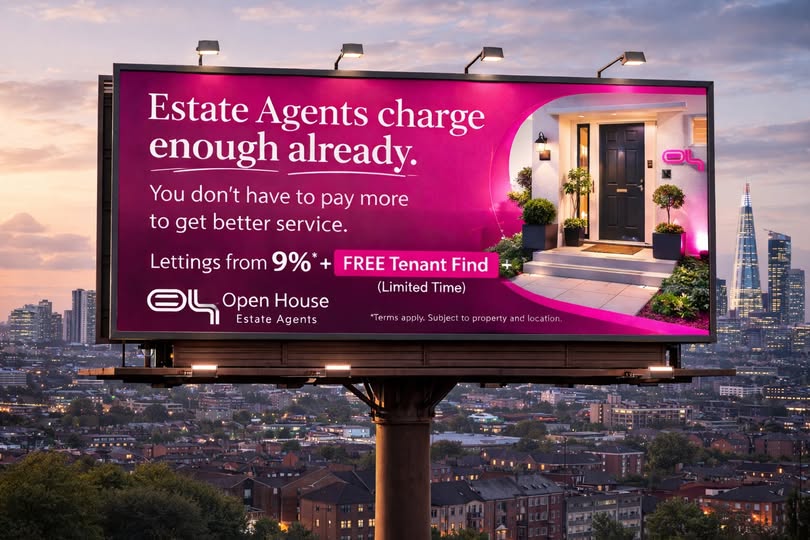
At Open House Worcestershire, the approach is simple: straight-talking advice, transparent fees and clear action rather than guesswork. If your home has been sitting on the market and you are not getting real progress, fresh eyes and an honest assessment can make all the difference.
A house that has not sold yet is not always the wrong house. Sometimes it just needs the right plan.