
The phone call feels like the hard part is over. Your buyer has made an offer, you have accepted it, and everyone sounds pleased. Then comes the question most sellers ask next – what happens after offer accepted, and how long is all this going to take?
This is the stage where a sale becomes real, but not yet secure. Until contracts are exchanged, either side can still walk away. That is why the period between offer acceptance and completion matters so much. Good communication, realistic timescales and quick action can make the difference between a smooth move and a drawn-out one.
What happens after offer accepted on a house sale?
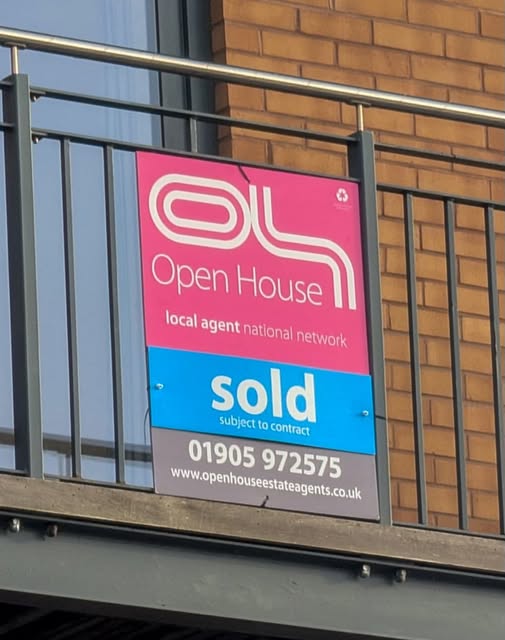
Once an offer is accepted, the property is usually marked as sold subject to contract. That phrase matters. It means a price has been agreed, but the legal side has not been completed yet.
At this point, your estate agent confirms the agreed sale to both parties and asks for the details needed to move things forward. The buyer and seller each instruct a conveyancing solicitor or licensed conveyancer. If there is a chain, the agent also starts keeping track of everyone involved, because one slow link can affect the rest.
For sellers, this is the moment to stop thinking of the sale as “done” and start treating it as a live process that needs managing. Paperwork, enquiries, mortgage checks, surveys and searches all still need to happen.
The first steps after an offer is agreed
The first job is memorandum of sale paperwork. This is the document that records the agreed price, the property address, the names of both solicitors and any basic conditions of the sale. It is not a contract, but it gives everyone a starting point.
Your solicitor will then ask you to complete several forms about the property. These usually cover fixtures and fittings, boundaries, disputes, guarantees, planning work and general property information. Fill these in carefully and honestly. Trying to gloss over an issue now tends to create bigger problems later when a buyer’s solicitor asks more detailed questions.
If you have paperwork ready, the process moves faster. That includes things like FENSA certificates, boiler service records, building regulations approval, warranties and leasehold information if the property is a flat. Delays often begin here, simply because documents are missing or people assume they can “find them later”.
On the buyer’s side, they usually finalise their mortgage application if they have not already done so. Their lender will arrange a valuation, and many buyers also book a survey.
Survey, valuation and mortgage checks
This is often the stage that makes sellers nervous. A valuation is for the lender’s benefit. A survey is for the buyer’s benefit. They are not the same thing.
A lender’s valuation is usually brief and focused on whether the property is worth the amount being borrowed against it. If the valuation comes back at or above the agreed price, the mortgage process can continue. If it comes back lower, the buyer may try to renegotiate.
A survey goes deeper. Depending on the type booked, it may flag damp, movement, roofing issues, outdated electrics or maintenance concerns. Some findings are serious. Many are simply the kind of wear you would expect in an older home.
This is where calm heads help. Not every survey comment should trigger a price reduction. Equally, if a real issue is uncovered, it may need a practical response. Sometimes that means renegotiating. Sometimes it means getting quotes. Sometimes it means accepting that a buyer wants reassurance before proceeding.
The legal work and enquiries stage
While the mortgage and survey are going on, the conveyancing process gathers pace. Your solicitor prepares the draft contract and sends it to the buyer’s solicitor along with the title documents and supporting forms.
The buyer’s solicitor then reviews everything and raises enquiries. These are questions about the legal title, boundaries, rights of way, planning permissions, lease terms, guarantees, alterations and anything else that needs clarification.
This is one of the biggest reasons sales slow down. Enquiries are normal, but some can be answered quickly while others take time. If you have had an extension built, for example, the buyer’s solicitor may want proof of planning permission or building regulations sign-off. If the property is leasehold, they may need information from the freeholder or managing agent, and that can add weeks.
Searches are also ordered at this stage. These usually include local authority, drainage and environmental searches. In some areas they come back quickly. In others, local authority turnaround times can be frustratingly slow.
What can delay things after offer accepted?
If you are wondering what happens after offer accepted in real life rather than in theory, the honest answer is this: progress is rarely perfectly linear.
A straightforward freehold sale with a chain-free buyer can move quite quickly. A leasehold property in a long chain with a cautious lender and missing paperwork can take much longer. Most delays come down to a handful of common issues.
Chains are the obvious one. If your buyer needs to sell, and their buyer needs to sell, every transaction depends on the next. One person’s delay becomes everyone’s delay.
Mortgage issues are another. A buyer may be approved in principle but still hit problems during the full application. Changes in income, lender queries or a down valuation can all affect the deal.
Slow legal responses can also drag things out. Solicitors are dealing with multiple parties, and some are more proactive than others. The same goes for third parties such as management companies and local authorities.
Then there is simple hesitation. Buyers sometimes get cold feet. Sellers sometimes have not fully committed to their onward plans. That uncertainty can hang over a transaction if nobody addresses it early.
Exchange of contracts – the key milestone
The sale does not become legally binding until exchange of contracts. Before exchange, either side can pull out without the same legal consequences, although there may still be costs incurred.
Exchange happens when both parties sign their contracts, agree a completion date and the solicitors formally exchange on their behalf. The buyer usually pays a deposit at this point, often 10 per cent of the purchase price, although it can vary.
Once exchange has happened, the move is locked in. Removal bookings can be made with confidence, utilities can be arranged and both sides know the transaction is going ahead.
For most people, this is the point where the stress shifts. Before exchange, the worry is whether the deal will hold together. After exchange, the focus is on getting packed and ready.
Completion day and what it involves
Completion is the day the money is transferred and ownership changes hands. The buyer’s solicitor sends the balance of the purchase funds to the seller’s solicitor. Once the funds arrive, the estate agent is authorised to release the keys.
If you are selling, you need to have moved out by the agreed time unless a different arrangement has been made in advance. Leave the property in the condition agreed, take all items not included in the sale, and make sure instruction manuals, keys and any relevant paperwork are easy for the new owner to find.
There is often a sense that completion day will feel orderly and predictable. Sometimes it does. Sometimes it involves waiting for bank transfers to clear while a removals van sits outside. That is normal. It can be a long day, especially in a chain, so it helps to stay flexible.
How long does it take after offer accepted?
There is no single answer that fits every sale. In many cases, a UK house sale takes between 8 and 16 weeks from offer accepted to completion. Some complete faster. Some take much longer.
A vacant freehold home with a mortgage-ready buyer and organised solicitors may be done in two months. A leasehold sale with management pack delays and a five-property chain can stretch well beyond four months.
The mistake sellers often make is assuming silence means progress. It does not always. This stage benefits from regular chasing and clear updates. That is one reason many sellers prefer a personal agent model rather than being passed around a call centre. When one person is keeping tabs on the chain and pushing for answers, problems tend to get spotted earlier.
How sellers can keep the sale moving
You cannot control every part of the process, but you can make life easier for everyone involved. Instruct your solicitor as soon as the offer is accepted, return forms promptly and gather your paperwork early. If a survey raises an issue, deal with it directly rather than emotionally.
Stay contactable. If your solicitor or agent asks a question, answer it quickly. Small delays at your end can create unnecessary hold-ups, especially if there is a chain waiting behind you.
It also helps to be realistic. Not every buyer query is a warning sign. Not every delay means the sale is falling apart. But if something does look off, a good agent should tell you plainly, not dress it up.
At Open House Worcestershire, that straightforward approach matters because sellers usually want the same thing – honest updates, quick answers and someone local who actually knows what is happening.
The period after an offer is accepted is where sales are either protected or put at risk. If you stay organised, keep communication moving and work with people who chase the details properly, you give your sale the best chance of reaching completion without unnecessary stress.